
The 3 Golden Pillars & Guiding Tenets
Creation of Khalsa ("Aape Gur Chela")
Created the casteless Saint-Soldier Panth with Khande Di Pahul and took Amrit from the Panj Pyare.
Sarbans Dani (Supreme Sacrifices)
Sacrificed father Guru Tegh Bahadur, mother Mata Gujri, and Char Sahibzade for righteousness and freedom.
Crowning Sri Guru Granth Sahib Ji
Enshrined eternal Guruship in the Shabad Guru at Hazur Sahib Nanded (1708): "Guru Manyo Granth."
Complete Historical Chronicle
1. Sacred Birth & Early Life
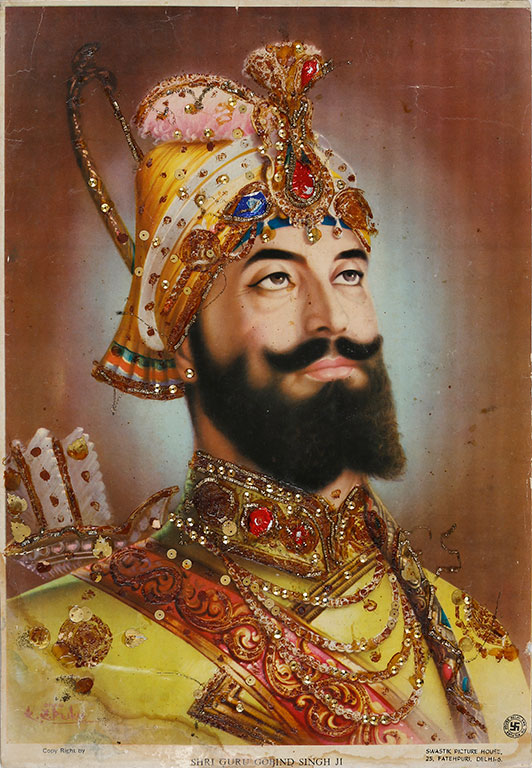
Sri Guru Gobind Singh Ji, the tenth and final Guru in human form (Nanak X), was born as Gobind Das (Gobind Rai) on Friday, 5 January 1667 (22 December 1666 O.S., Poh Sudi 7) at Takht Sri Patna Sahib, Bihar to the Ninth Guru, Sri Guru Tegh Bahadur Ji, and Mata Gujri Ji. Guided by a celestial Divine Light, the renowned Muslim mystic Pir Bhikan Shah traveled to Patna and presented the infant with two bowls — one of milk and one of water, representing Hinduism and Islam. The divine child placed his hands on both bowls, symbolizing his universal mission to embrace and protect all humanity with equal divine love.
2. Spiritual Inquiries & Rejecting Dogma
In his spiritual autobiography "Bachittar Natak" (The Wondrous Drama), Guru Ji reveals his divine purpose on earth: having meditated at the seven-peaked Hemkunt Parbat, the Almighty commanded him: "I have cherished thee as My Son to establish Dharma, emancipate the virtuous, and destroy all oppressors root and branch." Returning from Bihar to Punjab in 1670, young Gobind Rai grew up at Anandpur Sahib (Chakk Nanaki), mastering Gurmukhi, Persian, Sanskrit, Braj, philosophy, horsemanship, and martial arts. In May 1675, when Kashmiri Pandits sought protection from forced conversion, nine-year-old Gobind Rai urged his father: "None could be worthier than you to make such a sacrifice." Following Guru Tegh Bahadur Ji's martyrdom in Delhi, Gobind Rai was formally anointed as Tenth Guru on Baisakhi 1676.
3. Householder Life & Divine Awakening
During his stay at Paonta Sahib (1685–1688) on the banks of the Yamuna, Guru Gobind Singh Ji led a magnificent literary and martial renaissance. He patronized 52 court poets and scholars, translating ancient epics into Punjabi and Braj to instill fearless heroism. He composed immortal Gurbani, including Jaap Sahib, Akal Ustat, Tav Prasad Savaiye, Chandi Di Var (1684), Chaupai Sahib, and Bachittar Natak. Guru Ji taught that the sword (Bhagauti) is not an instrument of aggression, but the ultimate protector of human rights and justice, declaring in Zafarnama (Verse 22): "ਚੂੰ ਕਾਰ ਅਜ਼ ਹਮਹ ਹੀਲਤੇ ਦਰ ਗੁਜ਼ਸ਼ਤ ॥ ਹਲਾਲ ਅਸਤ ਬੁਰਦਨ ਬ ਸ਼ਮਸ਼ੀਰ ਦਸਤ ॥" (When all peaceful avenues of negotiation fail, it is righteous and lawful to draw the sword). He defeated the allied Rajput hill chiefs at the Battle of Bhangani (1688) and Mughal forces at the Battle of Nadaun (1691), demonstrating that righteous spiritual strength conquers tyrannical might. He subsequently abolished the corrupt Masand system, connecting every Sikh directly to the Guru.
4. Sacred Journeys & Epochal Missions
Alarmed by the casteless egalitarian power of the Khalsa, the hill Rajas allied with the Mughal armies of Lahore and Sirhind to lay a protracted siege to Anandpur Sahib in 1705. After months of starvation, the Mughal commanders gave solemn oaths on the Quran and the Cow promising safe passage if the Sikhs evacuated the fort. As Guru Ji and his Sikhs exited in December 1705, the enemy treacherously attacked at the flooded Sarsa river (Parivar Vichhoda), where precious manuscripts were lost and the Guru's family was separated. At the Battle of Chamkaur Sahib (7 December 1705), Guru Ji and forty valiant Sikhs defended a mud fortress against a massive imperial army. Guru Ji sent his two elder sons into battle: Baba Ajit Singh Ji (age 18) and Baba Jujhar Singh Ji (age 14), who attained supreme martyrdom fighting with legendary heroism. Commanded by the Panj Pyare to preserve his life for the Panth, Guru Ji made his way through the enemy cordon with the assistance of loyal Muslim devotees, Ghani Khan and Nabi Khan ("Uch Da Pir"). Simultaneously, the two younger Sahibzade, Baba Zorawar Singh Ji (age 9) and Baba Fateh Singh Ji (age 7), along with Mata Gujri Ji, were betrayed by servant Gangu to Wazir Khan, Faujdar of Sirhind. Refusing to renounce their faith under horrifying threats and temptations, the brave children were bricked alive at Sirhind on 13 December 1705, while Mata Gujri Ji attained martyrdom in the cold tower (Thanda Burj).
5. Establishing Holy Centers & Guru Ka Langar
From Dina Kangar in Malwa, Guru Gobind Singh Ji penned the Zafarnama (Epistle of Victory) in exquisite Persian verse to Emperor Aurangzeb, severely indicting the emperor's treachery, broken oaths, and moral bankruptcy while declaring the ultimate victory of righteous truth: "What matters if four children have been slain, when the coiled cobra of the Khalsa still lives!" At the Battle of Muktsar (Khidrana, 29 December 1705), forty Sikhs who had signed a disclaimer of apostasy (Bedava) at Anandpur returned under the leadership of the warrior-heroine Mai Bhago. They fought desperately against overwhelming Mughal troops, dying to the last warrior. As Bhai Mahan Singh lay dying in the Guru's arms, he pleaded with Guru Ji to forgive them. Guru Ji lovingly tore up the Bedava, blessing them as the "Chali Mukte" (Forty Liberated Ones) and immortalizing the site as Sri Muktsar Sahib. At Talwandi Sabo (Damdama Sahib — Guru Ki Kashi), Guru Ji stayed for nine months in 1706 and dictated from divine memory the complete text of Sri Guru Granth Sahib Ji (Damdami Bir) to Bhai Mani Singh Ji, incorporating the sacred hymns of the Ninth Master, Sri Guru Tegh Bahadur Ji.
6. Succession & Merging with the Divine Light
In 1707, following Aurangzeb's death, Guru Gobind Singh Ji traveled to Rajasthan and Agra, meeting the new Emperor Bahadur Shah, before proceeding south to Nanded on the Godavari River (Maharashtra) in August 1708. At Nanded, Guru Ji transformed the hermit Madho Das into a Khalsa warrior, naming him Banda Singh Bahadur, and dispatched him with five arrows and five Sikhs to Punjab to eradicate tyranny and establish peasant sovereignty. Nawab Wazir Khan of Sirhind, fearing the Guru's reconciliation with the Emperor, hired two Pathan assassins (Jamshed Khan and Wasil Beg) who attacked Guru Ji as he rested after Rehras Sahib. Guru Ji killed the assassin with his sword. Though imperial surgeons stitched the wound, the stitches tore days later when Guru Ji drew a powerful bow. Knowing his earthly mission was complete, Guru Ji assembled the Khalsa on Thursday, 21 October 1708 at Takht Sachkhand Sri Hazur Abchalnagar Sahib. Placing five paise and a coconut before Sri Guru Granth Sahib Ji, Guru Gobind Singh Ji bowed in deep reverence and proclaimed the eternal decree: "ਆਗਿਆ ਭਈ ਅਕਾਲ ਕੀ ਤਬੈ ਚਲਾਇਓ ਪੰਥ ॥ ਸਭ ਸਿੱਖਨ ਕੋ ਹੁਕਮ ਹੈ ਗੁਰੂ ਮਾਨ੍ਯੋ ਗ੍ਰੰਥ ॥ ਗੁਰੂ ਗ੍ਰੰਥ ਜੀ ਮਾਨ੍ਯੋ ਪ੍ਰਗਟ ਗੁਰਾਂ ਕੀ ਦੇਹ ॥ ਜੋ ਪ੍ਰਭ ਕੋ ਮਿਲਬੋ ਚਹੈ ਖੋਜ ਸਬਦ ਮਹਿ ਲੇਹ ॥" (Under the mandate of the Immortal Lord, the Khalsa Panth was created. All Sikhs are commanded to accept the Granth as their Guru. Regard the Guru Granth as the visible body of all the Gurus. Whoever seeks to meet God, search for Him in the sacred Word). With this sovereign proclamation, Guru Gobind Singh Ji merged into the Eternal Divine Light, sealing perpetual Guruship in the living Word — Sri Guru Granth Sahib Ji.
Eternal Legacy & Sacred Historical Shrines
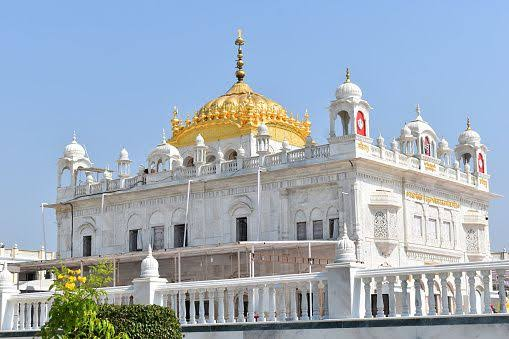
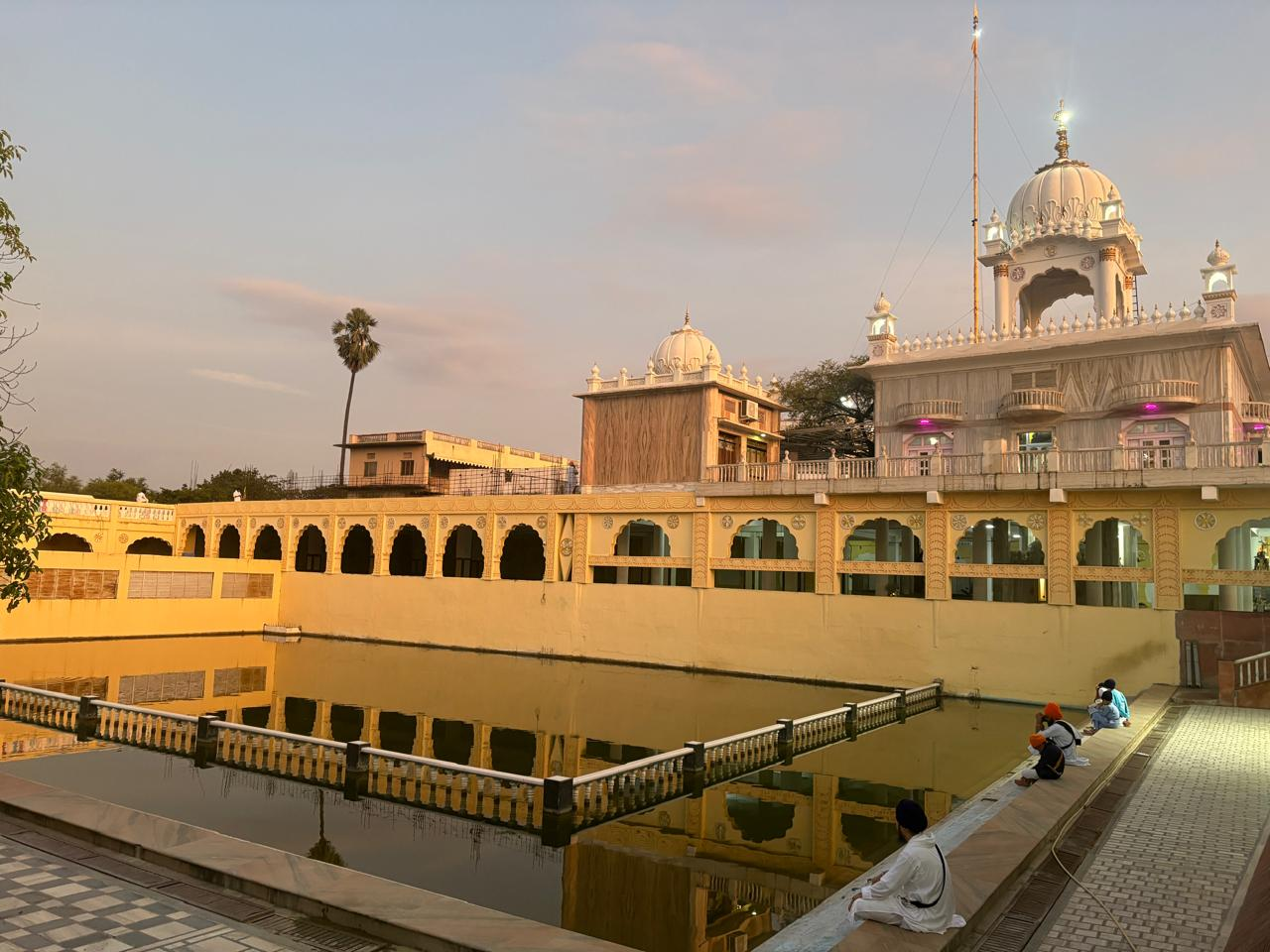
Foundational Contributions of the Tenth Master: 1. Creation of the Khalsa Panth (1699) — casteless, egalitarian Saint-Soldier fraternity with the 5 Ks and Amrit Sanchar 2. "Aape Gur Chela" — eliminated hierarchies between Master and disciple in human leadership 3. Sarbans Dani — sacrificed father, mother, and all four sons (Char Sahibzade) for universal human freedom 4. Damdami Bir — recompiled the complete Sri Guru Granth Sahib Ji at Talwandi Sabo 5. Eternal Bestowal of Guruship — crowned Sri Guru Granth Sahib Ji as the perpetual Guru of the Sikhs forever 6. Prolific Bani — Jaap Sahib, Akal Ustat, Tav Prasad Savaiye, Chaupai Sahib, Chandi Di Var, Zafarnama Historic Takhts & Gurdwaras: Takht Sri Patna Sahib (Bihar), Takht Sri Kesgarh Sahib (Anandpur Sahib), Takht Sri Damdama Sahib (Talwandi Sabo), Takht Sachkhand Sri Hazur Sahib (Nanded), Gurdwara Paonta Sahib (HP), Gurdwara Chamkaur Sahib, Gurdwara Fatehgarh Sahib, Gurdwara Muktsar Sahib.