
The 3 Golden Pillars & Guiding Tenets
Hind Di Chadar (Freedom of Faith)
Gave his life at Chandni Chowk to defend the fundamental religious rights and conscience of humanity.
Fearlessness ("Bhai Kaahu Kau Det Nah")
Embodied the supreme virtue: "Neither terrorize anyone, nor live in fear of any power on earth."
Salok Mahalla 9 & Anandpur Sahib
Composed 115 soul-awakening hymns of detachment in SGGS; founded the holy city of Sri Anandpur Sahib.
Complete Historical Chronicle
1. Sacred Birth & Early Life
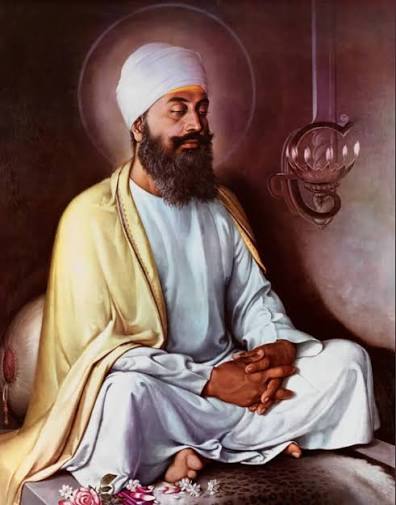
Sri Guru Tegh Bahadur Ji, the ninth Sikh Guru (Nanak IX), was born on Wednesday, 18 April 1621 at Guru Ke Mahal, Amritsar to the Sixth Guru, Sri Guru Hargobind Sahib Ji, and Mata Nanaki Ji. His birth name was Tyag Mal (Master of Renunciation). In his early years, he was educated in Gurmukhi, Hindi, Sanskrit, and philosophy by Bhai Gurdas Ji, trained in horsemanship and archery by Baba Buddha Ji, and instructed in swordsmanship by his father. At age thirteen, he displayed extraordinary valor in the Battle of Kartarpur (1635) against Mughal forces, leading his father to honor him with the name "Tegh Bahadur" (Brave Wielder of the Sword). He married Mata Gujri Ji at Kartarpur in 1632.
2. Spiritual Inquiries & Rejecting Dogma
Following Guru Hargobind Sahib's instructions in 1644, Tegh Bahadur Ji moved with his mother Mata Nanaki Ji and wife Mata Gujri Ji to the quiet village of Bakala. For the next twenty years, he lived a life of rigorous spiritual austerity, spending his days in deep meditation in an underground chamber (Bhora Sahib). When the Eighth Guru, Sri Guru Har Krishan Ji, departed this world in Delhi in 1664, he uttered the prophetic words "Baba Bakale." In Bakala, twenty-two impostor Sodhi relatives falsely proclaimed themselves as the Guru. A devout wealthy merchant, Makhan Shah Labana, whose trade ship was saved from sinking in a violent storm after promising 500 gold mohurs to the Guru, arrived in Bakala. Finding 22 claimants, Makhan Shah offered 2 gold coins to each, and each pretended satisfaction. When led to the humble underground room of Tegh Bahadur Ji, Makhan Shah placed two coins. Guru Ji smiled and asked: "Why have you broken your sacred pledge? You promised 500 gold mohurs when your ship was sinking in the tempest, yet you offer only two?" Overwhelmed with joy, Makhan Shah rushed to the rooftop, waving his shawl and shouting the immortal words: "Guru Ladho Re! Guru Ladho Re!" (The True Guru has been found!).
3. Householder Life & Divine Awakening
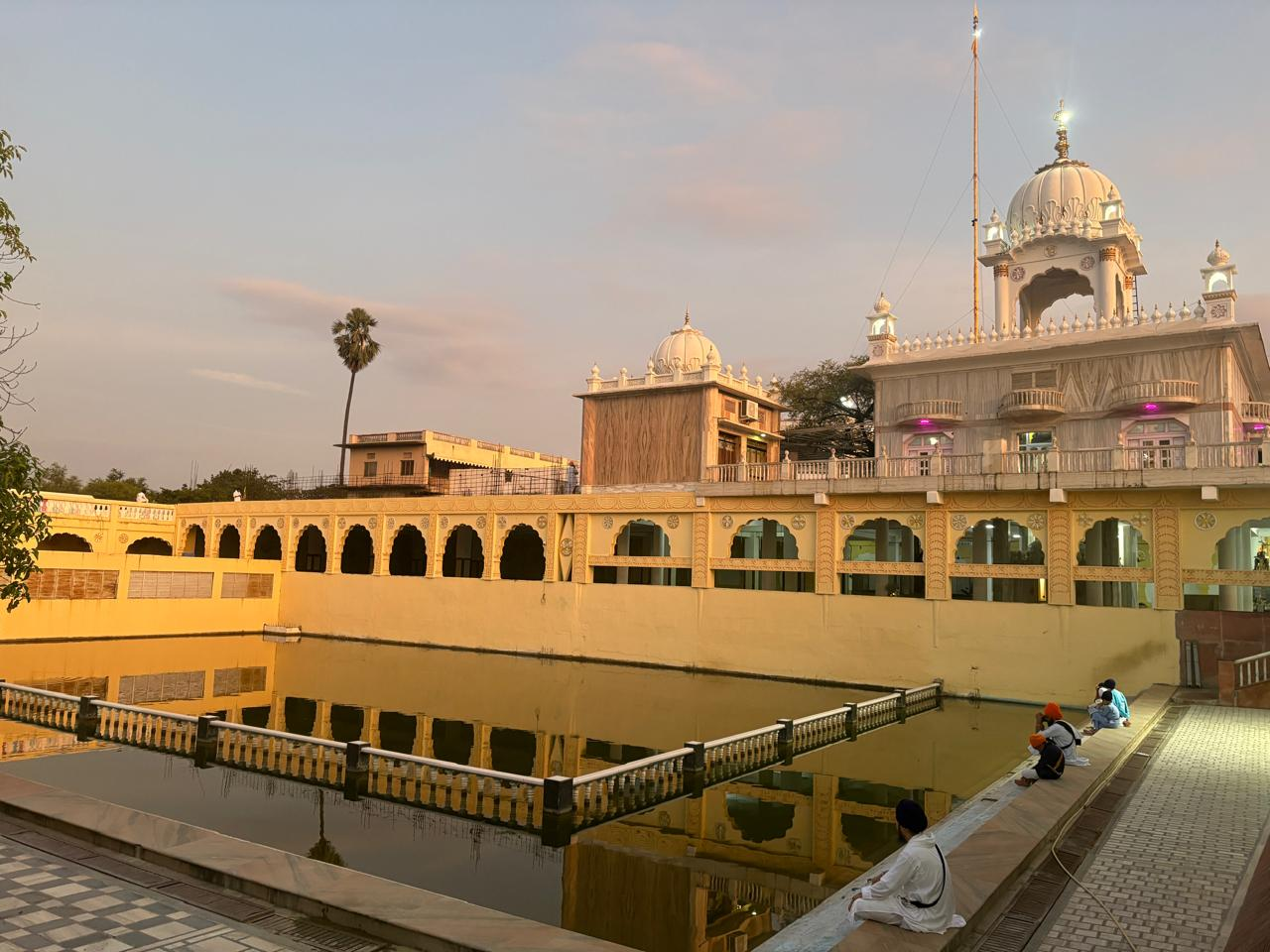
After his proclamation as Guru on 16 April 1664, Guru Tegh Bahadur Ji visited Amritsar to pay obeisance at Sri Harmandir Sahib. Greed-driven Masands allied with the Mina faction locked the sanctum doors. Guru Ji waited patiently on a nearby platform, now known as Gurdwara Thara Sahib (Pillar of Patience), before proceeding to the nearby village of Wala. The devout women of Amritsar came out, repented for the Masands' arrogance, and served the Guru, earning his eternal blessing: "Ever blessed by God be the women of Amritsar." In 1665, Guru Ji purchased land at the foothills of the Shivaliks from Rani Champa of Bilaspur for Rs 500, founding the township of Chakk Nanaki (named in honour of his mother), which later grew into the holy city of Sri Anandpur Sahib (The City of Bliss) — where the Khalsa would be born.
4. Sacred Journeys & Epochal Missions
During the 1670s, Mughal Emperor Aurangzeb unleashed a tyrannical campaign of forced religious conversions across India, demolishing temples and Gurdwaras, imposing crushing taxes, and ordering the forced conversion of Kashmiri Brahmins under Governor Iftikhar Khan. In May 1675, a delegation of 500 desperate Kashmiri Pandits, led by Pandit Kirpa Ram Dutt, arrived at Sri Anandpur Sahib pleading for Guru Tegh Bahadur Ji's protection to save their faith and human dignity. Guru Ji reflected that a supreme holy soul must sacrifice his life to halt the tide of religious tyranny. His nine-year-old son, Gobind Rai, walked in and boldly said: "Respected Father, who in this world is more exalted and worthy than you to make such a supreme sacrifice?" Deeply moved by his young son's clarity, Guru Tegh Bahadur Ji instructed the Kashmiri Pandits to inform Aurangzeb: "If you can convert our Guru Tegh Bahadur to Islam, all of us will willingly embrace your faith."
5. Establishing Holy Centers & Guru Ka Langar
On 8 July 1675, Guru Tegh Bahadur Ji anointed his nine-year-old son Gobind Rai as the Tenth Nanak, placing five paise and a coconut before him. Guru Ji then departed Anandpur Sahib for Delhi, accompanied by his most devoted disciples: Bhai Mati Das Ji, Bhai Sati Das Ji, and Bhai Dyal Das Ji. Arrested near Agra after revealing his identity, Guru Ji and his Sikhs were brought to Delhi under heavy imperial guard and cast into an iron cage at Kotwali. Aurangzeb offered Guru Ji wealth, high imperial posts, and royal honours if he embraced Islam, or demanded a miracle to prove his divinity. Guru Ji steadfastly refused, stating that freedom of worship is a fundamental human right endowed by God, and performing cheap occult miracles is an insult to Divine Will. To break the Guru's resolve, the Mughal authorities brutally executed his three beloved disciples before his eyes: Bhai Mati Das was sawn alive in half from head to waist; Bhai Dyal Das was boiled alive in a cauldron of oil; and Bhai Sati Das was wrapped in cotton wool and burned alive. Each disciple attained supreme martyrdom with "Waheguru" and Japji Sahib on their lips, refusing to abandon truth.
6. Succession & Merging with the Divine Light
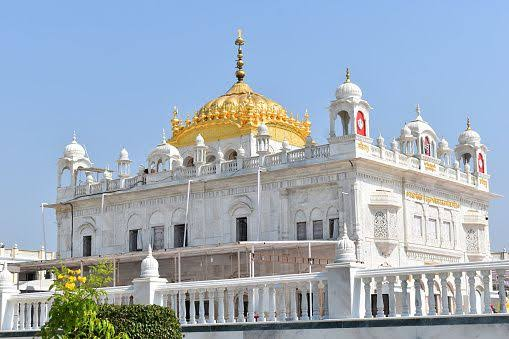
On Wednesday, 24 November 1675 (Maghar Sudi 5, Samvat 1732), at Chandni Chowk, Delhi, Sri Guru Tegh Bahadur Ji was publicly beheaded while sitting in deep meditative absorption reciting Japji Sahib. His supreme sacrifice saved an entire civilization from forced subjugation and earned him the eternal title "Hind Di Chadar" (Shield of India) and "Srisht Di Chadar" (Shield of Humanity). Immediately after the execution, a ferocious dust storm engulfed Delhi. Under cover of the darkness, Bhai Jaita Ji (later Bhai Jiwan Singh) heroically retrieved Guru Ji's severed head (Sis) and carried it on foot across hundreds of miles to Sri Anandpur Sahib. Guru Gobind Singh Ji embraced Bhai Jaita with tears of reverence, declaring: "Ranghreta Guru Ka Beta" (The Ranghreta is the Guru's own son), and cremated the holy head at Gurdwara Sis Ganj Sahib (Anandpur Sahib). Simultaneously, Bhai Lakhi Shah Vanjara and his sons loaded Guru Ji's sacred body onto their bullock cart under the guise of trading goods, took it to their home at village Raisina (Delhi), and set their own house on fire to conduct a dignified cremation without imperial interference. Today, Sri Gurdwara Rakab Ganj Sahib stands at the sacred site of cremation, and Sri Gurdwara Sis Ganj Sahib stands at Chandni Chowk.
Eternal Legacy & Sacred Historical Shrines
Sri Guru Gobind Singh Ji commemorated his father's unmatched sacrifice in Bachittar Natak: "ਠੀਕਰਿ ਫੋਰਿ ਦਿਲੀਸਿ ਸਿਰਿ ਪ੍ਰਭੁ ਪੁਰ ਕੀਯਾ ਪਯਾਨ ॥ ਤੇਗ ਬਹਾਦਰ ਸੀ ਕ੍ਰਿਆ ਕਰੀ ਨ ਕਿਨਹੂੰ ਆਨ ॥" (Casting off his mortal frame upon the head of the Emperor of Delhi, Tegh Bahadur departed to the Realm of God. None who came into this world ever performed such a glorious deed as him). Guru Tegh Bahadur Ji contributed 115 divine hymns (59 Shabads and 57 Saloks in Salok Mahalla 9 across 15 classical Ragas) to Sri Guru Granth Sahib Ji, teaching unshakeable courage, detachment, and fearlessness: "ਭੈ ਕਾਹੂ ਕਉ ਦੇਤ ਨਹਿ ਨਹਿ ਭੈ ਮਾਨਤ ਆਨ ॥ ਕਹੁ ਨਾਨਕ ਸੁਨਿ ਰੇ ਮਨਾ ਗਿਆਨੀ ਤਾਹਿ ਬਖਾਨਿ ॥" (One who does not frighten anyone, nor lives in fear of anyone — says Nanak, listen O mind, call such a person spiritually enlightened). Historic Gurdwaras: Gurdwara Guru Ke Mahal (Amritsar), Gurdwara Bhora Sahib (Baba Bakala), Gurdwara Thara Sahib (Amritsar), Gurdwara Sis Ganj Sahib (Chandni Chowk, Delhi), Gurdwara Rakab Ganj Sahib (Delhi), Gurdwara Sis Ganj Sahib (Anandpur Sahib), Gurdwara Sri Guru Tegh Bahadur Sahib (Dhubri, Assam), Gurdwara Guru Ka Taal (Agra).